
TL;DR
- Pediatric tooth extractions are needed for severe decay, infection, trauma, or problems with permanent tooth eruption.
- The procedure is gentle and done with local anesthesia to keep children comfortable.
- Most children recover quickly with simple aftercare like soft foods and gentle brushing.
- Proper oral hygiene and dental visits help prevent issues that may lead to future extractions.
What is Pediatric Dental Extraction?
Pediatric dental extraction is the careful removal of a baby tooth or, in some cases, a permanent tooth when it is severely damaged or affecting a child’s oral health. This procedure is recommended only when saving the tooth is not possible or when keeping it may interfere with healthy dental development.
Understandably, many parents worry about pain, safety, and possible long-term effects. To address these concerns, pediatric dentists use child-friendly techniques, gentle communication, and appropriate pain-control methods to keep the experience as comfortable and stress-free as possible.
This article discusses when extraction is needed, how the procedure is done, and the recovery process, which helps parents make informed decisions about their child’s oral health.
When Does a Child Need a Tooth Removed?
Children typically lose their baby teeth naturally, but some situations require a dentist to remove a tooth early. As per our experts at Rivers Bend Family Dental, these scenarios might warrant an extraction:
- Severe Tooth Decay
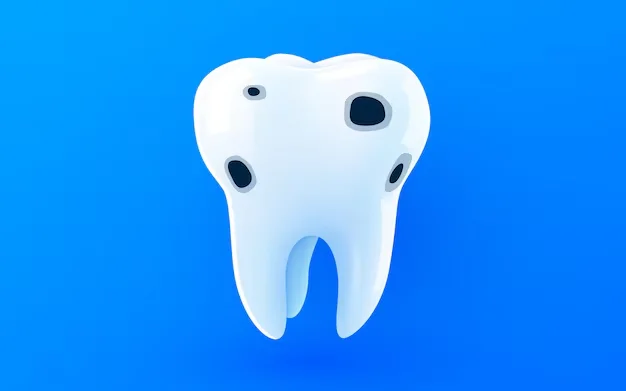
Tooth decay remains one of the most common reasons for pediatric tooth extractions. If cavities progress deep into the nerve or if the tooth cannot be saved with a filling or a crown, removal may prevent pain, infection, and spread of bacteria to other teeth.
- Infection or Abscess
When infection reaches the root or the surrounding bone, a child may experience pain, swelling, fever, or sensitivity. At this point, extraction may be the safest way to protect overall oral health.
- Dental Trauma or Injury
Sudden falls, sports injuries, or accidents can fracture a tooth beyond repair. Pediatric tooth extraction helps to prevent long-term complications in those cases.
- Orthodontic Requirements
At times, a dentist or an orthodontist recommends removing certain baby teeth to guide the proper eruption of adult teeth. This prevents crowding and supports normal jaw development.
- Delayed Loss of Baby Teeth
Some baby teeth simply do not fall out on time. This can block the eruption of permanent teeth. A quick and gentle extraction keeps dental development on track.
Signs Your Child Needs a Dental Evaluation
The following are the signs that suggest your child needs a dental check:
- Persistent Tooth Pain or Sensitivity: Children may report sharp pain while chewing, discomfort with cold or sweet foods, or a tooth that “hurts on and off.” This often signals decay or infection.
- Gum Swelling or Redness: Parents may notice puffy gums, redness around one tooth, or a small bump on the gum. These are common signs of inflammation or an early abscess.
- Difficulty Chewing or Eating: If a child avoids certain foods, chews only on one side, or takes longer to finish meals, there may be hidden decay, a cracked tooth, or gum infection.
- Visible Cracks, Chips, or Dark Spots: Any break in the tooth, a brown or black spot, or a sudden color change can indicate decay or structural damage and should be checked promptly.
- Bad Breath That Does Not Improve: Persistent bad breath despite brushing can be linked to infection or untreated cavities.
- Tooth Mobility at the Wrong Age: A tooth becoming loose too early or not becoming loose when it should may point to issues with eruption or underlying disease.
- Sensitivity to Hot Foods or Drinks: Heat sensitivity often suggests deeper involvement of the tooth nerve and requires timely evaluation.
- Unexplained Facial Swelling or Jaw Tenderness: Swelling around the cheek or jaw can indicate an infection that needs urgent attention.
How Pediatric Dentists Make Tooth Extractions Comfortable?
To ensure kids’ tooth extraction is safe, gentle, and stress-free, pediatric dentists typically follow these steps:
- Initial Examination and X-Ray
Dentists evaluate the tooth, the surrounding bone, and the developing permanent teeth. X-rays confirm root shape, infection, or resorption. This ensures the safest extraction path.
- Child-Friendly Communication Techniques
Pediatric dentists are specially trained to communicate in calm, simple, and positive language. They explain the procedure in a non-frightening way and maintain a gentle, patient tone throughout.
- Pain-Free Numbing Methods
The area around the tooth is numbed completely, so the child does not feel pain. Dentists often use topical numbing gel first, so the injection feels like only mild pressure.
- Safe and Quick Removal Process
Baby teeth typically loosen easily because their roots naturally resorb. The dentist uses controlled movements to remove the tooth gently. Most pediatric tooth extractions take only a few minutes.
- Post-Procedure Instructions
Parents receive clear post-procedure instructions to support proper healing and reduce the risk of complications. They are also advised on when to contact the dentist if any concerning symptoms develop.

What to Expect After a Tooth Extraction?
After a tooth extraction, children usually recover quickly, and knowing what to expect helps parents guide healing at home.
Normal Healing Responses
- Mild bleeding is normal for the first half hour. Any soreness is typically mild. Pain medications are suggested by the doctor, based on the child’s age and medical history.
- Healing after a pediatric tooth extraction is usually fast. Most children resume normal activity within a few hours or by the next day.
Home Care Tips for Parents
A few home care tips that should be followed by parents after their child undergoes an extraction procedure:
- The child should bite on gauze until a clot forms. Replace gauze only if needed.
- Soft Diet: A soft food diet is advised for the first day. Suitable options include:
- Yogurt
- Mashed potatoes
- Rice
- Scrambled eggs
- Smoothies
- Avoid crunchy, spicy, or hot foods on day one.
- Protecting the Extraction Site: Children should avoid:
- Using straws
- Touching the area with fingers
- Excessive rinsing on the first day
- Good oral hygiene can continue, but brushing should be gentle near the site.
When to Contact the Dentist?
Although complications are rare, parents should seek prompt dental assessment if any of the following signs develop:
- Bleeding that continues beyond 24 hours
- Fever
- Increasing pain after the first two to three days
- Swelling that spreads or worsens
- A foul taste or discharge from the extraction site

How to Prevent Future Extractions?
Good daily habits and regular dental care can reduce the chances of future tooth extractions. A few tips that can help prevent future extraction are:
- Encourage daily brushing and flossing to keep teeth clean.
- Limit sugary snacks and drinks that lead to decay.
- Offer a balanced diet that supports strong teeth.
- Schedule regular dental checkups every six months.
- Ask about fluoride treatments or sealants for added protection.
Conclusion
A pediatric tooth extraction is a safe and medically appropriate procedure when a child has severe decay, infection, trauma, or issues with tooth eruption. Modern techniques ensure comfort, efficient care, and a quick recovery. With proper preparation and postoperative care, children usually tolerate the procedure very well.
Parents can support their child by following aftercare instructions and maintaining regular dental checkups. When managed correctly, pediatric tooth extractions play a crucial role in protecting long-term dental health.
For families looking for the best pediatric dental care, our Ramsey dental team at Rivers Bend Family Dental offers modern and comprehensive treatment for children across all age groups.
Our pediatric dentist works carefully, explains every step, and makes sure your child feels safe and comfortable during every visit.
Contact number: 763-576-1855
Address: 14061 St Francis Blvd NW, Ramsey, MN 55303
FAQs
Do children feel pain during an extraction?
No. The dentist uses local anesthesia to numb the area completely. Children may feel pressure, but they do not feel pain during the procedure. Any discomfort afterwards is usually mild and can be managed with child-safe pain relief.
Will removing a baby tooth affect permanent teeth?
No, when clinically appropriate, extracting a baby tooth at the right time protects the developing permanent tooth by removing decay or infection. In some cases, extraction even improves the eruption path of adult teeth. Dentists monitor spacing to ensure proper alignment.
How soon can a child return to school after a tooth extraction?
Usually, the next day. Most children recover quickly and can return to school within 24 hours. If sedation was used, the dentist may advise keeping the child home for the rest of the day.
Will my child’s speech be affected after extraction?
In most cases, a tooth extraction does not affect a child’s speech. Children adapt quickly, especially when a baby tooth is removed. Speech development continues normally, and any minor changes usually resolve on their own as the surrounding teeth adjust or permanent teeth erupt.
How do I know if the extraction healed properly?
Proper healing is indicated by reduced swelling, minimal discomfort after the first few days, and the absence of bleeding or discharge. The extraction site should gradually close and appear pink rather than red or inflamed. If pain increases, swelling worsens, or unusual symptoms develop, a dental review is advised.