
TL;DR
- A root canal procedure removes infected or damaged pulp from inside a tooth, cleans and disinfects the space, and seals it to prevent further infection.
- Most treatments are completed in one to two appointments, depending on severity.
- Mild soreness for a day or two after treatment is normal and manageable with basic pain relief.
- The procedure relieves pain, stops infection from spreading, and preserves the natural tooth.
- A dental crown placed after treatment restores full strength and function for the long term.
- Delaying treatment allows the infection to spread, while acting on early signs leads to simpler, faster recovery.
What Is a Root Canal Procedure?
A root canal procedure is a restorative dental treatment in which infected or damaged pulp is carefully removed from inside the tooth, the space is cleaned and disinfected, and the canal is sealed to prevent infection. The inner pulp contains nerves and blood vessels, and when it becomes inflamed or infected, it can lead to pain, sensitivity, and swelling that will not resolve on its own.
What is a root canal procedure designed to do, beyond pain relief? It preserves the natural tooth structure entirely, allowing you to avoid extraction and maintain normal chewing function. This is always the preferred outcome since a natural tooth, properly restored, outperforms any replacement option in long-term stability and feel.
At Rivers Bend Family Dental, Dr. Andrea Wimmergren, Dr. Ryan Lembke, and Dr. Kelsey Utech bring over 20 years of combined experience to every case. For patients who need a root canal specialist in Ramsey, MN, the team focuses on precise cleaning, careful sealing, and patient comfort at every step of the process.
Signs You May Need a Root Canal
Knowing when to seek treatment is the first step toward a straightforward recovery. A root canal is typically recommended when the inner pulp becomes infected or damaged. Common signs include:
- Persistent toothache, especially when chewing or biting
- Pain that does not improve with over-the-counter painkillers
- Sensitivity or discomfort when touching the tooth
- Swelling or tenderness in the gums or jaw
- Pus or discharge near the tooth
- Small bumps on the gum near the affected tooth
- Pain spreading to the jaw, face, or adjacent teeth
- Darkening of the tooth or discoloration around the gumline
- A cracked or broken tooth
- Deep decay that has reached the pulp
- Repeated dental work on the same tooth
If you are noticing any of these signs, early evaluation gives you the best chance of a simple, single-visit outcome.
How a Root Canal Procedure Works: Step by Step
The root canal procedure follows a clear, sequential process designed to remove infection while preserving as much natural tooth structure as possible.
- Examination and Imaging: The dentist examines the tooth and takes an X-ray to confirm the extent of the infection and map the root canal anatomy.
- Anesthesia: A local anesthetic is administered to numb the area completely. You may notice pressure during the procedure, but it should not be painful.
- Isolation: A dental dam is placed around the tooth to keep the treatment area dry and free from saliva throughout the procedure.
- Access Opening: A small opening is made on the top of the tooth to reach the pulp chamber.
- Pulp Removal: The infected tissue is removed using precise instruments, eliminating the source of infection and pain.
- Cleaning and Disinfection: The interior of the tooth is thoroughly cleaned. Disinfecting solutions are applied to remove remaining bacteria and reduce the risk of reinfection.
- Canal Filling: The cleaned canals are filled with gutta-percha, a biocompatible, rubber-like material that seals the space and stabilizes the tooth structure.
- Temporary Seal: A temporary filling closes the access opening and protects the tooth until the final restoration is placed.
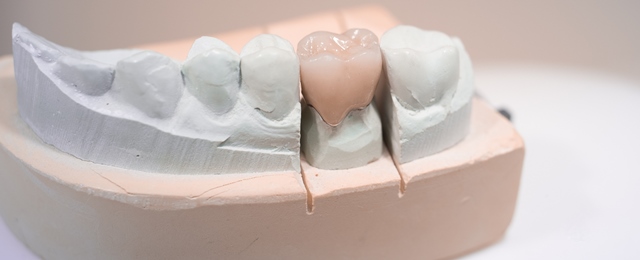
- Final Restoration: A permanent dental crown is placed, typically at a follow-up appointment, to restore full strength and allow normal chewing function.
How Long Is a Root Canal Procedure?
How long a root canal procedure takes depends on which tooth is involved and how complex the case is:
- Front teeth: Generally 60–90 minutes in a single visit due to simpler root structure with fewer canals
- Premolars and molars: Often longer and may require two appointments due to multiple canals
- Complex or severe infections: May need additional time or visits to ensure complete cleaning before sealing
Most patients are surprised by how manageable the appointment is. The anesthesia keeps the process comfortable, and the structured steps keep it predictable.
Recovery Timeline After a Root Canal
Healing is typically quick. Most patients experience only mild, short-lived discomfort that resolves within a few days.
| Timeframe | What to Expect |
| Same Day | The treated area stays numb for a few hours. Avoid eating until sensation returns. Mild soreness may develop as the anesthesia wears off. |
| First 24 Hours | Tenderness when biting is common. Soft foods recommended. Over-the-counter pain relief is usually sufficient. |
| 2-3 days | Discomfort decreases noticeably. Chewing becomes easier, though avoiding full pressure on the treated side is still advisable. |
| Within a Week | Most sensitivity is gone. If a temporary filling is in place, eat carefully and brush gently around the area. |
| After Final Crown | The tooth feels and functions like any other tooth. Normal chewing is fully restored. |
Benefits and Potential Risks of a Root Canal Procedure
A root canal offers many benefits:
- Preserves the natural tooth with no extraction required
- Eliminates the infection at its source
- Restores normal chewing and biting function
- Prevents the infection from spreading to adjacent teeth, the jaw, or beyond
It does carry a few risks and limitations:
- Infection can return if the canal is not sealed completely
- Hairline cracks in the root can affect long-term stability
- A missed canal branch can allow infection to persist
Long-term success depends on both the quality of treatment and post-procedure care. These risks are minimized significantly with experienced providers and proper restoration, particularly placement of a crown on high-load teeth like molars.
Recovery Tips for a Smooth Healing Process
A few straightforward habits support faster, more comfortable healing:
- Eat soft foods for the first one to two days, such as rice, yogurt, soups, and similar options
- Avoid chewing on the treated side until it feels fully normal
- Take prescribed or recommended pain relief as directed
- Continue brushing and flossing, but be gentle near the treated area
- Avoid very hot, cold, or sticky foods for several days
- Keep all follow-up appointments, especially if a crown has been planned
When to Contact Your Dentist
Mild tenderness in the days after treatment is expected. The following signs, however, warrant a prompt call to your dentist:
- Pain that worsens rather than improves after the first few days
- Swelling in the gums, face, or jaw that is not resolving
- Persistent throbbing or pressure in the treated tooth
- Bad taste or visible discharge near the tooth
- A temporary filling or crown that feels loose or breaks
- Fever accompanying dental pain
Key Takeaways
A root canal procedure is one of the most reliable ways to eliminate tooth infection, relieve pain, and preserve your natural smile. When performed at the right time by an experienced team, it is a straightforward treatment with a predictable recovery, and a restored tooth that can last for many years with proper care.
If you are experiencing any of the warning signs described above, do not wait. Connect with a trusted local dentist in Ramsey at Rivers Bend Family Dental. Dr. Wimmergren, Dr. Lembke, and Dr. Utech are here to evaluate your situation, explain your options clearly, and guide you through treatment with the care and precision your tooth deserves.
Call (763) 576-1855 or visit 14061 St Francis Blvd NW, Ramsey, MN 55303 to schedule your appointment.
FAQs
Most patients return to work the same day or the following day. The procedure itself is completed under local anesthesia, and post-treatment soreness is typically mild enough to manage with over-the-counter pain relief. Physically demanding work may warrant a day of rest, but desk work is generally fine immediately after.
Yes, though it is uncommon when the procedure is performed correctly, and the tooth is properly restored. Reinfection most often occurs when a canal is missed, the seal degrades over time, or a crown is delayed, and the temporary filling is compromised. Regular dental check-ups help detect any early signs of reinfection before they become significant.
In most cases, yes. A natural tooth, even one that has had a root canal, performs better biomechanically than any replacement option. It preserves the jawbone, maintains proper bite alignment, and avoids the additional cost and treatment time associated with implants or bridges. Extraction is recommended only when the tooth cannot be saved structurally.
Gutta-percha is a natural, biocompatible rubber-like material that has been used in dentistry for over a century. It is flexible enough to conform to the shape of the cleaned canal, inert within the body, and creates a stable, long-term seal that prevents bacteria from re-entering. It is the standard filling material for root canals worldwide.