TL;DR
- Bone grafts strengthen the jaw when there isn’t enough bone for an implant.
- Jawbone loss can occur after extractions, gum disease, injury, long-term tooth loss, or infections.
- The graft restores bone, supports the implant, and helps maintain facial structure.
- The procedure involves scans, placing the graft, stitching the gums, and a few months of healing.
- Healing includes mild swelling, tenderness, and gradual bonding of the graft with natural bone over several months.
- Gentle oral care, soft foods, rest, and follow-up visits help recovery.
- Contact your dentist if pain, swelling, bleeding, discharge, graft exposure, or implant movement occurs.
What is Bone Grafting?
A bone graft for dental implants is a procedure used to rebuild or increase the bone in the jaw when it is too thin or weak to support an implant. This is because dental implants need strong, healthy bone so that the artificial tooth can stay stable during chewing and everyday use.
A dentist or oral surgeon evaluates the jaw using X-rays or a CBCT scan to check bone quantity and quality. If there is insufficient support for an implant, a bone graft helps create a solid foundation. Once healing occurs and the graft integrates with the natural bone, a dental implant can be safely placed.
In the following sections, you will learn when bone grafts are needed, how the procedure is performed, what healing involves, and what recovery typically looks like, so you know what to expect throughout the process.
Why Bone Grafting is Needed?
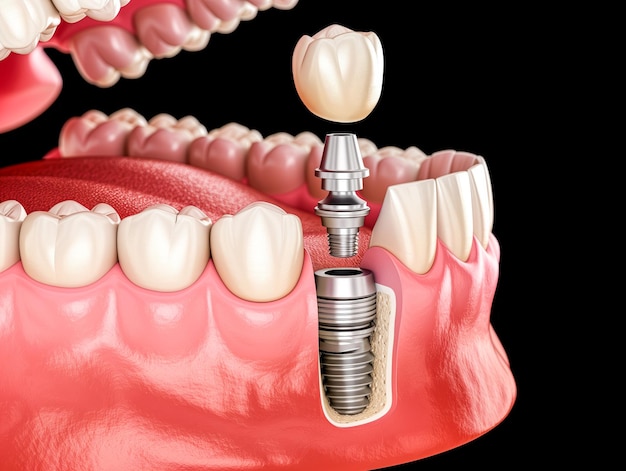
An implant needs firm support so it can fuse with the bone and function like a natural tooth root. If the bone is too soft, thin, or has shrunk over time, the implant may become loose or fail.
Bone loss in the jaw can happen for various reasons:
- Tooth extraction: After a tooth is removed, the surrounding bone gradually shrinks because it is no longer stimulated by chewing forces.
- Gum disease (periodontitis): Long-standing gum infection can damage and destroy the bone that supports the teeth.
- Injury or trauma: Accidents or jaw injuries may lead to fractures or loss of bone in the affected area.
- Long-term missing teeth: When a tooth has been missing for many years, the jawbone in that area often thins and resorbs significantly.
- Infections or cysts: These conditions can damage or destroy the bone around a tooth or in the jaw, leading to bone defects.
The purpose of a bone graft is to restore lost bone volume and improve bone density, so the implant has a stable base. When the jawbone is rebuilt, the implant is more likely to succeed, facial structure is better supported, and further bone shrinkage is less likely to occur.
Bone Graft Procedure: Step-by-Step Process
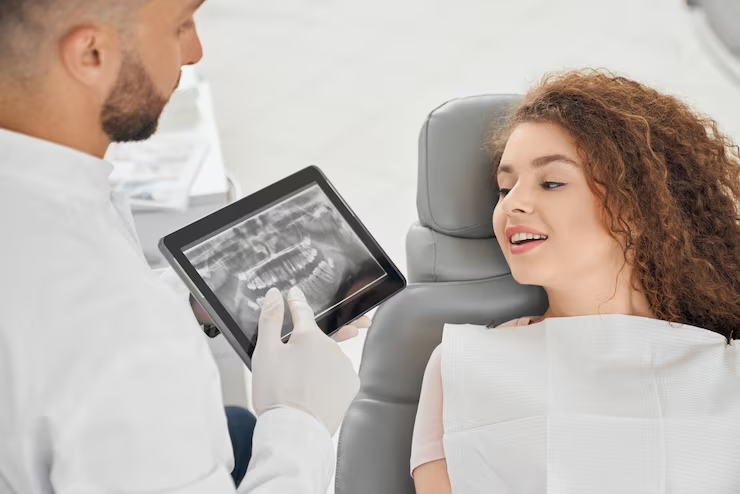
A bone graft for dental implants is usually carried out by a dentist or oral surgeon under local anesthesia, so you are comfortable throughout the procedure. Here is a step-by-step overview:
- Assessment and planning: X-rays or a CBCT scan are taken to look at the height, width, and density of your jawbone. This gives your dentist a clear idea of how much graft material is needed and the most suitable type for your situation.
- Anesthesia: The area is numbed so you do not feel pain during the procedure. Sedation may be used in some cases.
- Preparing the site: A small incision is made in the gum to expose the jawbone where the graft is required.
- Placing the graft material: Bone graft material is placed in the area that needs rebuilding or thickening.
- Membrane or barrier placement: In many cases, a special membrane is placed over the graft to protect it and guide healing.
- Suturing the gums: The gums are carefully stitched back together.
- Healing period: Over the next few months, the graft integrates with your natural bone. After this, the dental implant can be placed.
At Rivers Bend Family Dental, we use allogenic bone grafts, which are human-donated, freeze-dried bones. They are FDA-approved, completely free of organic matter, and safe for transplantation.
Healing and Recovery After Bone Grafting for Dental Implants
Here is what you can expect after getting a bone graft for a dental implant:
Healing Timeline
- First few days: Swelling, tenderness, or light bleeding are common. It might feel uncomfortable, but it usually eases quickly. Pain relief from your dentist should help.
- 1 to 2 weeks: The gums start to heal around the graft. Any stitches or small dressings may dissolve on their own. By now, most people feel more comfortable.
- 2 to 4 months: Under the surface, the graft and your natural bone are fusing together. New bone forms slowly, and the area gradually becomes stronger.
- 4 to 6 months or longer: The bone becomes firm and solid. This is usually when the area is ready for a dental implant. Everyone heals differently, so your dentist will guide you along the way.
Aftercare Tips
- Brush gently around the area and rinse with the solution your dentist recommends.
- Stick to soft foods and try not to chew on the grafted side.
- Take it easy for a few days. Avoid heavy activity or lifting.
- Apply ice packs for the first couple of days if needed and take any medicines exactly as instructed.
- Keep all follow-up appointments, so your dentist can check the healing.
When to Contact Your Dentist
It’s normal to have some mild discomfort after a bone graft for dental implants, but certain signs mean you should get in touch with your dentist promptly.
- Persistent or worsening pain that does not improve with pain relief
- Swelling that increases instead of easing
- Fever or any discharge, such as pus, from the graft site
- Graft material becoming visible or exposed
- Looseness or movement of a nearby dental implant
- Unusual bleeding that does not stop
- Numbness or tingling that lasts longer than expected
Final Thoughts
A bone graft for a dental implant can help if your jawbone is too thin or weak. It adds strength and gives the implant a solid base. Healing takes some time, and following a few simple steps can make it easier. Most people find that the graft blends well with their natural bone, and the jaw becomes strong enough to support a long-lasting implant.
If you are considering a dental implant or have questions about bone grafting, it’s important to consult a dental professional. At Rivers Bend Family Dental, our team is here to guide you through every step of the process, from planning to recovery. Schedule a visit with our dentist in Ramsey today to see how we can help you:
Phone: +17635761855
Location: 14061 St Francis Blvd NW, Ramsey, MN 55303, United States
FAQs
Most people feel some tenderness or mild swelling after the procedure, but it is usually manageable with the medicines your dentist recommends. Numbing the area during the procedure keeps you comfortable while it is done.
It is best to stick to soft foods and avoid chewing on the grafted side for a while. This gives the area time to heal without extra pressure.
Most bone grafts integrate well with the natural bone, especially when you follow aftercare instructions. Everyone heals differently, so your dentist will monitor the area and guide you if anything needs extra attention.
Once the graft has fully joined with your natural bone and the area is strong, usually after four to six months, your dentist can place the implant. The timing can vary, so it’s based on how your jaw heals.
A bone graft can actually help support your facial structure. If you have lost bone in the jaw, it may prevent a sunken appearance and help maintain a natural look.