TL;DR
- Bruxism is the unconscious grinding of teeth or clenching of the jaw, most commonly happening during sleep.
- Many people have no idea they’re doing it until they wake up with jaw pain, headaches or notice their teeth look worn down.
- Stress, anxiety, certain sleep problems and an uneven bite are common factors that can trigger bruxism.
- Over time, untreated grinding can chip teeth, loosen fillings or crowns and strain the jaw joints (TMJ).
- Custom night guard, stress reduction strategies and correcting bite issues can significantly reduce damage.
- Early evaluation by a dentist helps catch signs before they turn into costly or painful complications.
What is Teeth Grinding (Bruxism) and Why Early Treatment Matters?
Teeth grinding, also known as bruxism, is more common than most people think, and many don’t even realize they’re doing it. Since it often happens during sleep, the warning signs can be easy to miss at first. You might wake up with a sore or tight jaw, a lingering headache or teeth that feel unusually sensitive. Over time, that repeated pressure can gradually wear down enamel, stress the jaw joints and increase the risk of small chips or cracks.
If you’ve been looking into how to stop grinding teeth, you’re definitely not alone. The good news is that bruxism can be managed, especially when it’s identified early. In the sections ahead, we’ll talk through the common causes of bruxism, the signs your body may be giving you, the possible risks of ignoring it and the treatment options available, including night guards that act as a protective cushion while you sleep.
Common Causes of Teeth Grinding

With over 20 years in practice, our dentists at Rivers Bend Family Dental have seen that teeth grinding rarely has just one clear cause. In most cases, it’s a mix of the following factors:
1. Stress and Anxiety
Stress plays a major role in teeth grinding. When life feels overwhelming, the body naturally tightens up, and the jaw often carries that tension without you noticing. Over time, clenching can turn into a reflex. It may happen during moments of worry, frustration, or even while focusing intensely on a task, becoming a habit before you’re even aware of it.
2. Sleep-Related Factors
Poor sleep quality and disturbances such as sleep apnea can increase the likelihood of teeth grinding. When sleep is restless or interrupted, the body doesn’t fully relax, leaving muscles, including those in the jaw, slightly tense throughout the night. In conditions like sleep apnea, brief pauses in breathing may trigger the jaw to clench instinctively as the body works to reopen the airway.
3. Bite and Dental Factors
Misaligned, uneven or missing teeth can disrupt how your bite comes together, causing certain areas to bear more pressure than others. This imbalance may prompt the jaw to shift or tighten subconsciously, increasing the risk of clenching or grinding, particularly at night.
4. Lifestyle and Medical Triggers
Caffeine, alcohol and smoking can all affect muscle relaxation and nerve activity, making jaw clenching or grinding more likely. Certain medications may also increase muscle tension or alter nerve signalling, while underlying neurological or medical conditions can contribute to involuntary jaw activity.
What are the Signs and Symptoms of Bruxism?
Teeth grinding doesn’t always show up in obvious ways. For many people, the symptoms build slowly and are easy to dismiss at first. Spotting these changes early is important if you’re trying to figure out how to avoid grinding teeth at night and protect your smile long term.
Symptoms You May Notice
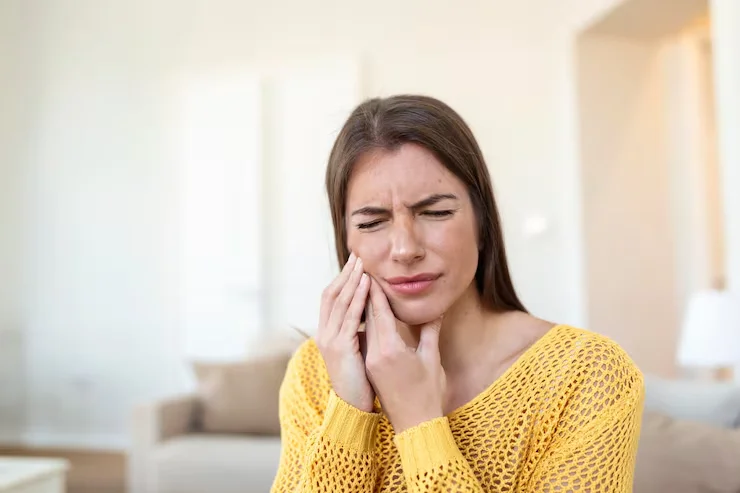
- Jaw Pain or Stiffness, Especially in the Morning: If your jaw feels tight or sore when you wake up, nighttime clenching may be the reason. The stiffness often eases as you start talking and chewing, which is why many people brush it off.
- Headaches or Facial Soreness: Grinding puts steady pressure on the muscles near your temples and cheeks. This can lead to dull headaches in the morning or a general feeling of facial tension.
- Tooth Sensitivity or Pain: When enamel gradually wears down, teeth can become more sensitive to hot coffee, cold drinks or sweet foods. You might also notice occasional discomfort when biting down.
Signs a Dentist May Detect
- Flattened, Chipped or Worn Teeth: Teeth may lose their natural shape over time. Edges can look flatter than usual or show small chips from repeated pressure.
- Cracks in Enamel or Dental Restorations: Excess force can cause tiny cracks in enamel or even damage fillings and crowns.
- Gum Recession Linked to Excessive Pressure: Ongoing clenching can place strain on the supporting tissues around the teeth. Over time, this may lead to gradual gum recession.
What are the Risks of Leaving Bruxism Untreated?
Many patients assume that teeth grinding only causes jaw soreness, but it’s often more serious. Repetitive, forceful grinding can wear teeth long before pain is noticeable, leading to several hidden issues:
- Long-Term Tooth Damage and Fractures: Teeth aren’t meant to grind for hours. Over time, enamel starts thinning, small lines can turn into cracks, and the corners of teeth may even break, often before you notice pain.
- Jaw Joint (TMJ) Problems: The joints connecting your jaw to your skull can become strained, causing stiffness, tenderness or a clicking sound that may start occasionally and worsen over time.
- Chronic Headaches or Facial Pain: Tight, overworked muscles can lead to steady morning headaches or soreness along the cheeks, sometimes mistaken for non-dental pain.
- Increased Need for Dental Treatments: Grinding shortens the lifespan of teeth and dental work. Fillings can loosen, crowns may crack, and what could have been managed early may later require more extensive treatment.
How to Stop Teeth Grinding?
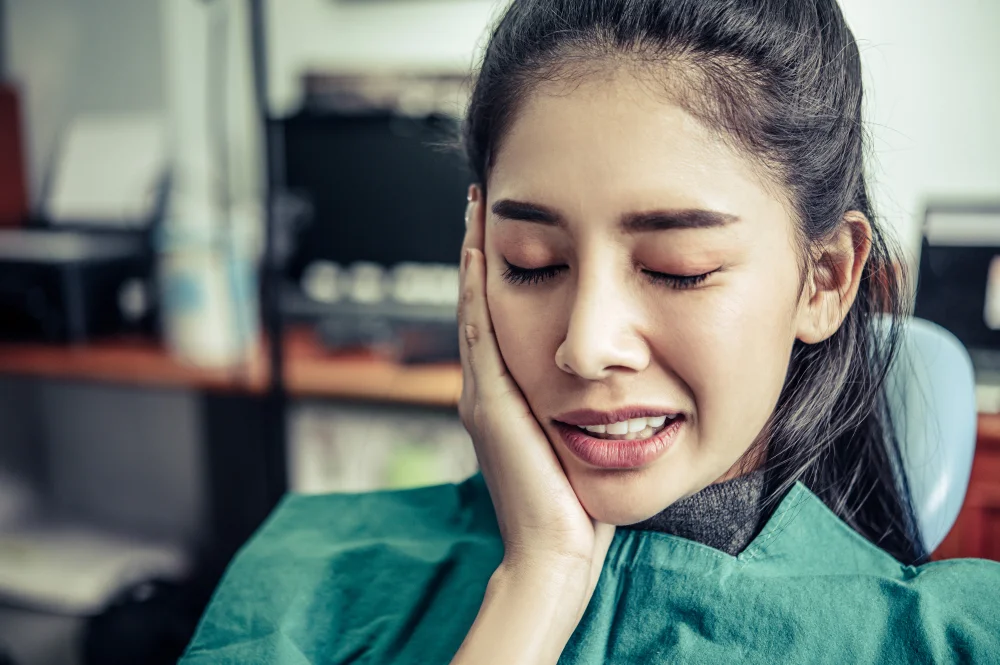
If you are actively searching for how to stop grinding teeth, treatment depends on the underlying cause. A comprehensive evaluation ensures the solution fits your specific needs. Our experts, Dr. Winnergren, Dr. Lembke and Dr. Clayton, note that managing bruxism often starts with simple, consistent changes before moving to advanced treatment.
Stress Management and Behavioural Changes
- Relaxation Techniques Before Bedtime: Deep breathing, light stretching or limiting screens before sleep can help the body unwind. A relaxed body means less jaw tension at night.
- Reducing Caffeine and Alcohol Intake: Cutting back on caffeine later in the day and limiting alcohol may reduce nighttime clenching.
- Awareness Strategies for Daytime Clenching: Many people clench without realizing it. Keeping teeth slightly apart and checking your jaw during the day can help break the habit.
Dental Treatments for Bruxism
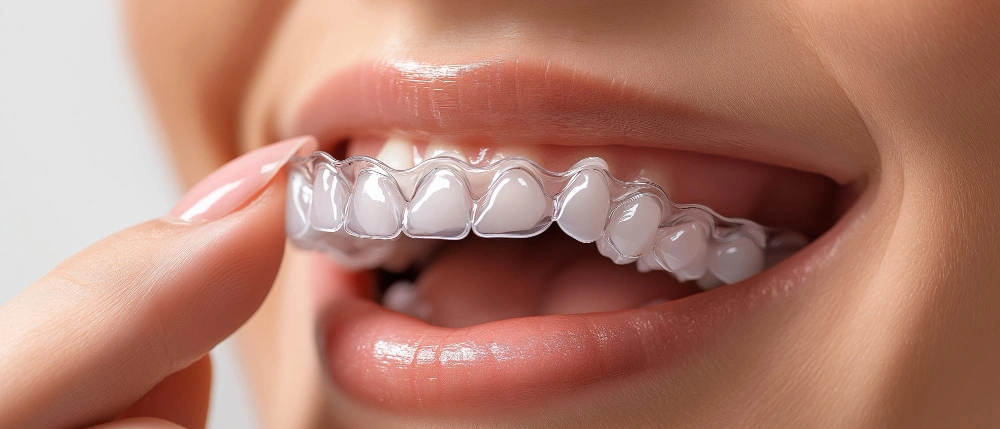
- Custom-Made Night Guards or Splints: A professionally made night guard creates a protective barrier between the upper and lower teeth. It helps absorb pressure and prevents further wear while you sleep.
- Bite Adjustment When Clinically Required: If an uneven bite is contributing to grinding, minor adjustments may be performed to improve how the teeth come together. This is only done when clearly indicated.
- Restorative Treatment for Damaged Teeth: Teeth that are chipped, cracked or significantly worn may require bonding, crowns or other restorative care to rebuild strength and function.
Medical and Therapeutic Options
- Addressing Sleep Issues: Sleep problems like sleep apnea can trigger jaw clenching. Treating them can ease grinding and improve sleep.
- Jaw Muscle Therapy: Gentle stretches and exercises help relax tight muscles and reduce tension.
- Medications or Botox: In severe cases, these can calm overactive jaw muscles when other methods fall short.
Final Takeaway
Grinding your teeth at night is common, but it can be managed effectively with the right approach. The first step in how to stop grinding teeth is figuring out what’s causing it and then getting the right help. With early care, you can protect your teeth and ease jaw discomfort.
At Rivers Bend Family Dental, patient comfort is our priority. If you experience jaw soreness or notice signs of teeth grinding, we offer solutions such as custom night guards to help relieve tension and prevent further damage.
To book a consultation with our trusted local dentist, call 763-576-1855 or stop by 14061 St Francis Blvd NW, Ramsey, MN 55303.
FAQs
Bruxism can cause soreness in the jaw, aching in the temples or a general tightness in the face, particularly noticeable upon waking.
Conditions such as TMJ disorders, sinus pressure, earaches or certain types of headaches can produce symptoms that closely resemble teeth grinding.
Bruxism is rarely linked to vitamin or mineral deficiencies. Stress, anxiety and poor sleep are far more common contributors.
Yes, grinding can put extra stress on dental work, which might lead to cracks or loosened crowns over time.
Mild grinding may improve with stress reduction, but persistent grinding should be evaluated by a dentist to protect your teeth and dental work.