TL;DR
- Full mouth rehabilitation is a customized combination of dental procedures that restores how your entire mouth looks, feels, and functions.
- It is recommended when multiple issues are present, such as worn teeth, missing teeth, bite problems, gum disease, or trauma.
- Treatment is personalized and may include crowns, implants, root canals, orthodontics, and gum therapy, carried out in planned phases.
- Benefits go beyond appearance: improved chewing, reduced pain, and better long-term oral health.
- It differs from full mouth reconstruction primarily in focus. Rehabilitation addresses both function and aesthetics; reconstruction is typically driven by severe structural damage.
What Is Full Mouth Rehabilitation?
Full mouth rehabilitation is a customized combination of dental procedures designed to rebuild or restore all of the teeth in both jaws. Rather than treating a single problem in isolation, it evaluates your entire oral condition and coordinates restorative, functional, and aesthetic treatments to improve how your teeth look, feel, and work together. It is also referred to as oral rehabilitation or dental rehabilitation, depending on the clinical context.
If you are dealing with several dental issues at once: worn teeth, bite problems, missing teeth, or long-standing pain, a single procedure will not resolve them. Full mouth rehabilitation treats the complete picture.
Treatments commonly included in a rehabilitation plan are:
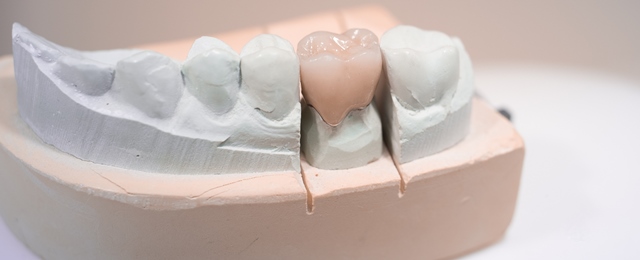
- Dental crowns and bridges
- Dental implants
- Veneers
- Root canal therapy
- Periodontal (gum) treatment
- Orthodontic corrections
- Bite realignment
For patients considering full mouth reconstruction, the team at Rivers Bend Family Dental, including Dr. Wimmergren, Dr. Lembke, and Dr. Clayton, develops individualized treatment plans that balance long-term function with aesthetics.
Who Needs Full Mouth Rehabilitation?
Not every patient with dental concerns needs this level of care, but full mouth rehabilitation is the appropriate path when multiple issues are present simultaneously. You may be a candidate if you have:
- Severely Worn or Damaged Teeth: Grinding, acid erosion, or age-related wear can affect your bite and alter your facial structure over time.
- Multiple Missing Teeth: Gaps impact chewing, speech, and the health of your jaw and surrounding teeth.
- Chronic Jaw Pain or Bite Problems: Conditions like TMJ disorders or a misaligned bite often require a comprehensive approach rather than a single targeted fix.
- Advanced Gum Disease: Untreated periodontal disease leads to bone loss and tooth mobility, which must be addressed before restorative work can succeed.
- Extensive Decay or Old Failing Restorations: Broken crowns, large old fillings, or untreated cavities may require a complete rebuild rather than repeated patchwork repairs.
- Trauma or Injury: Accidents that affect several teeth at once may necessitate rebuilding your bite and smile from the ground up.
In these situations, dental rehabilitation is not primarily about aesthetics. It is essential for restoring function, relieving discomfort, and preventing further deterioration.
Benefits of Full Mouth Rehabilitation
The benefits of a comprehensive rehabilitation plan extend well beyond how your smile looks:
- Improved Oral Function: Chewing, speaking, and biting comfortably again (without pain or avoiding certain foods) is often the most immediate and meaningful change patients notice.
- Pain Relief: Treating the underlying sources of discomfort, whether wear, infection, or misalignment, addresses the cause rather than masking the symptom.
- Enhanced Aesthetics: A fully restored smile has a direct impact on confidence and self-esteem in daily life.
- Better Long-Term Oral Health: Treating multiple issues together closes the cycle of recurring problems and reduces the likelihood of future complications.
- Lasting Durability: With proper planning, quality materials, and consistent aftercare, the results of rehabilitation can last for many years.
Full Mouth Rehabilitation vs. Full Mouth Reconstruction
These two terms are often used interchangeably, and in practice, they overlap significantly. However, there is a meaningful distinction in how dental professionals apply them.
Full Mouth Rehabilitation
Full mouth rehabilitation takes a broad view by addressing oral health, function, and aesthetics together. A patient with worn teeth, mild gum disease, and bite problems, for example, benefits from rehabilitation that improves chewing ability, reduces discomfort, and enhances the smile simultaneously.
Full Mouth Reconstruction
Full mouth reconstruction is typically used in a more clinical, restorative context. It refers to rebuilding the teeth and bite following significant structural damage or disease, such as:
- Severe tooth loss
- Advanced decay
- Trauma or injury
- Complex bite collapse
The intent behind reconstruction is primarily to restore structural integrity. Rehabilitation is the broader term that encompasses reconstruction cases but also extends to patients whose concerns blend functional and aesthetic goals.
What to Expect During Treatment
Full mouth rehabilitation is a detailed process carried out in carefully planned stages. A typical course of treatment includes:
- Comprehensive Assessment: Your dentist evaluates your bite, teeth, gums, and jaw joints. X-rays, scans, and impressions are used to document the full extent of the issues and inform the treatment sequence.
- Personalized Treatment Plan: Based on your specific needs, timeline, and goals, a step-by-step plan is developed. No two rehabilitation plans are identical.
- Phased Treatment: Procedures are performed in a deliberate sequence to allow for healing between stages and to ensure each step supports the next.
- Ongoing Monitoring: Regular follow-up appointments confirm that the work is performing as intended and that your oral health remains stable over time.
Choosing the Right Dental Team
Because full mouth rehabilitation is complex and highly individualized, the team you choose matters as much as the treatment itself. Look for a practice that:
- Has demonstrated experience with comprehensive, multi-phase dental care
- Uses advanced diagnostic tools, including imaging and bite analysis
- Prioritizes both functional outcomes and aesthetic goals
- Communicates clearly at every stage of planning and treatment
At Rivers Bend Family Dental in Ramsey, Minnesota, Dr. Wimmergren, Dr. Lembke, and Dr. Clayton bring that combination of experience and individualized attention to every rehabilitation case. Patients are guided through the process from initial consultation through final follow-up, with a treatment plan designed around their specific oral health history, goals, and timeline.
Final Thoughts
Living with multiple dental problems does not have to be your long-term reality. Full mouth rehabilitation offers a structured, carefully coordinated path to restoring your oral health, function, and confidence, one that addresses the full picture rather than applying isolated fixes to a systemic problem.
If you have been managing worn teeth, bite pain, missing teeth, or long-standing dental concerns, a consultation is the clearest next step. Contact a trusted dental office in Ramsey at Rivers Bend Family Dental to discuss your situation and learn what a personalized rehabilitation plan could look like for you.
Call us at 763-576-1855 or visit us at 14061 St Francis Blvd NW, Ramsey, MN 55303.
FAQs
The duration of full mouth rehabilitation varies depending on the complexity of your case. It can take anywhere from a few months to over a year, especially if multiple procedures like implants, orthodontics, or gum treatments are involved.
Most procedures involved in full mouth rehabilitation are performed under local anesthesia or sedation, making them relatively comfortable. Some mild discomfort or sensitivity may occur after certain treatments, but this is usually manageable with prescribed medications and proper aftercare.
The cost can vary significantly based on the number and type of procedures required. A detailed consultation is necessary to provide an accurate estimate and discuss financing options.
Maintaining results requires good oral hygiene practices, including brushing twice daily, flossing, and attending regular dental check-ups. Your dentist may also recommend specific care routines or tools depending on the treatments you have received.
While success rates are generally high, outcomes depend on factors such as oral hygiene, underlying health conditions, and adherence to follow-up care. Smoking, uncontrolled diabetes, or poor maintenance can increase the risk of complications or failure of certain treatments like implants.