Key Takeaways
- Implant-supported dentures anchor to titanium posts in the jawbone, providing a more stable fit than traditional dentures.
- Implants typically heal for three to six months before a custom denture is attached. Options include removable systems, fixed dentures, and All-on-4.
- Key benefits include better stability, chewing, speech, and bone preservation, but treatment involves surgery, a longer timeline, and higher cost.
- Candidacy depends on sufficient bone, healthy gums, manageable health conditions, and good oral hygiene.
- Implants can last decades with proper care, while dentures may need replacement or refitting every 5 to 10 years.
- Regular brushing, gentle cleaning, and six-month dental checkups help maintain both implants and dentures.
Can Dental Implants Be Used to Support Dentures?
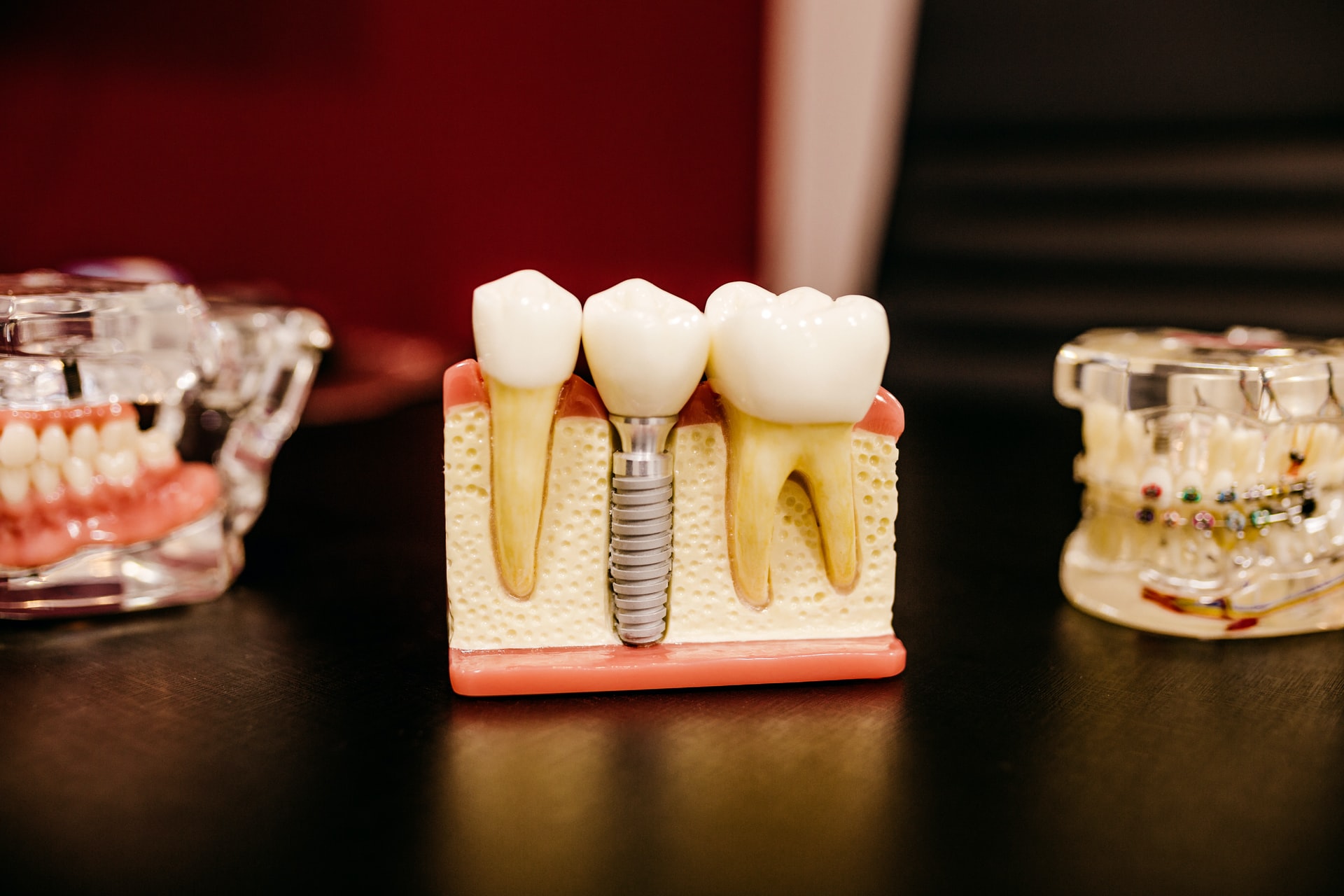
Yes, dental implants for dentures, sometimes called implant-supported dentures, give a loose or shifting denture a stable, permanent anchor inside the jawbone. Instead of relying on suction, adhesive, or the natural shape of the gums to stay put, an implant-retained denture snaps onto small titanium posts that fuse with the bone, holding the appliance securely through eating, laughing, and talking.
This pairing of dental implants and dentures is often the difference between a denture that needs constant readjusting and one that feels like a natural part of the mouth. You may be wondering how the procedure actually keeps a denture in place, so let’s walk through it together.
How Do Dental Implants For Dentures Work?
Dental implants for dentures work by placing a small number of titanium posts into the jawbone, then attaching a custom denture that clips, screws, or locks onto those posts once healing is complete. At Rivers Bend Family Dental, our dentists follow this approach:
- Consultation and imaging: A CBCT scan maps the jawbone’s density and shape to determine how many implants are needed and where they should go.
- Implant placement: The posts are surgically set into the bone under local anesthesia.
- Healing (osseointegration): Over roughly three to six months, the bone grows around the titanium and locks it firmly in place.
- Denture attachment: Once healed, the denture is fitted onto the implants using either a locator/ball attachment (removable) or a bar and screw system (fixed).
Patients missing all their teeth in an arch sometimes choose full mouth denture implants, such as an All-on-4 style restoration, where as few as four implants support an entire non-removable arch of teeth. This is a different path from a removable overdenture, and which one fits best depends on bone volume, budget, and how much the patient wants the denture to feel like natural teeth.
Advantages Of Dental Implants For Dentures
The benefits of dental implants for dentures come down to stability, bone health, and everyday comfort. Here’s a general overview:
- No slipping or clicking: Implants hold the denture in place, so there’s no need for adhesive pastes or strips.
- Preserves the jawbone: Chewing forces transfer to the bone through the implant, which helps slow the bone loss that naturally speeds up once teeth are missing.
- Better chewing efficiency: Patients typically regain a much larger portion of their natural bite force compared to a traditional denture.
- Clearer speech: A denture that doesn’t shift means fewer slurred or muffled sounds.
Our patients who switch from a traditional denture to an implant-supported one often tell us the biggest change is confidence and not having to think twice before laughing or eating in public. That said, this treatment involves minor oral surgery, a longer timeline than a traditional denture, and a higher upfront cost. For patients with limited bone or certain health conditions, we may recommend a bone graft or a different treatment plan first.
Who Is a Candidate for Implant-Supported Dentures?
Most healthy adults with sufficient jawbone density are good candidates for implant-supported dentures. Before recommending the procedure, we typically check for a few things:
- Adequate bone volume: If bone has already resorbed from long-term tooth loss, it doesn’t rule out implants altogether, since a bone graft can rebuild enough structure in the jaw to support them.
- Healthy gums: Active gum disease needs to be treated before implant placement can move forward, since healthy tissue is essential for the implant to heal properly.
- General health: Conditions like uncontrolled diabetes or certain medications that affect bone healing are reviewed on a case-by-case basis to see how well the body will accept the implant.
- Realistic expectations and hygiene commitment: Implants need the same daily cleaning as natural teeth, so patients who are ready for that routine and understand the healing timeline tend to see the best long-term results.
Dr. Andrea Wimmergren leads our implant assessments using in-house CBCT imaging to evaluate bone density before recommending implants over a traditional denture.
How Long Do Implant-Supported Dentures Last?
The titanium implant posts themselves can last decades, often a lifetime, when the bone stays healthy and hygiene is consistent. The denture attached to them is a separate part and wears differently. Patients often ask us how this compares to a traditional denture, and the difference is significant:
| Component | Traditional Denture | Dentures With Implants |
| Base/prosthetic | Refit or replaced every 5-7 years | Refit or replaced every 5-10 years |
| Support structure | Gums and jawbone (which continues to shrink) | Titanium implants (typically lifetime with care) |
| Daily stability | Can loosen as gums change shape | Stays fixed to the implant |
Because the implant posts don’t wear down the way gum tissue changes shape over time, dentures with implants tend to need fewer major refits over the years, something we see reflected in our own patients’ long-term checkups, even though the denture material itself still ages like any prosthetic.
How to Care for Implant-Supported Dentures
Caring for an implant-supported denture is similar to caring for natural teeth. At Rivers Bend Family Dental, we walk every patient through a short daily routine that keeps both the implants and the denture in good shape:
- Brush around the implant attachments daily with a soft-bristled brush to prevent bacteria buildup at the gumline.
- Remove and clean the denture (for removable styles) using a non-abrasive cleanser, never regular toothpaste, which can scratch the surface.
- Floss under bar-retained dentures using a floss threader or water flosser to clear food particles.
- Avoid excessive force when snapping the denture on or off to protect the attachment clips.
- Schedule checkups every six months so our team can check implant stability, clean hard-to-reach areas, and catch any looseness early.
In our experience, skipping checkups is one of the more common reasons implant-supported dentures develop problems later, since small issues with the attachment or gum tissue are much easier for us to correct early than after months of wear.
Final Thoughts
Implant-supported dentures solve the two biggest complaints patients have about traditional dentures: slipping and bone loss. For anyone tired of adhesive, sore spots, or a denture that never quite feels secure, dental implants for dentures offer a more stable, longer-term alternative that also protects the jawbone underneath.
We’ve been serving families in Ramsey and the surrounding communities with everything from single implants to full-arch solutions, and Dr. Andrea Wimmergren and our team guide patients through each step, from the initial CBCT scan to the final fitting.
If you’re exploring dentures in Ramsey, MN, and want to know if your jawbone and health history make you a good candidate for implant support, give us a call at (763) 576-1855 or stop by our office at 14061 St. Francis Blvd NW, Ramsey, MN 55303 for a consultation.
FAQs
This varies by case, but a removable overdenture often needs two to four implants, while a fixed full-arch restoration like All-on-4 typically uses four to six implants per arch, depending on bone density and bite forces.
Yes, though it may take an extra step first. Long-term denture wearers often experience more jawbone loss, so a CBCT scan is used to check bone volume before treatment planning begins. In some cases, a bone graft is recommended to build up enough support before implants can be placed.
There isn’t a strict upper age cutoff. Candidacy depends more on bone density, gum health, and overall medical history than age alone.
The placement procedure is done under local anesthesia, so most patients feel pressure rather than pain during surgery. Mild soreness and swelling for a few days afterward is normal and usually managed with over-the-counter pain relief.