
Key Takeaways
- Here’s what tooth decay treatment at every stage looks like:
- Fluoride can reverse decay early on, but not after a cavity has formed.
- Cavities are treated by removing decay and rebuilding the tooth with a filling.
- Crowns protect teeth too damaged for a filling to hold up well.
- Root canals remove infected nerve tissue and relieve pain.
- Extraction is a last resort, usually followed by an implant, bridge, or denture.
- Dentists combine exams, X-rays, and sensitivity checks to gauge decay severity.
- Good habits and regular checkups slow decay, but can’t reverse an existing cavity.
What Is Tooth Decay and How Does It Progress?
Nearly one in four adults between 20 and 44 currently has untreated tooth decay, according to the CDC, and most don’t know it until a checkup catches it. That’s the nature of decay: it starts as bacteria in plaque converting sugar into acid, and that acid gradually wears down enamel long before any pain shows up.
Once enamel is breached, decay doesn’t stay put. It moves into the dentin layer beneath, then toward the nerve, and each stage calls for a different fix. Tooth decay treatments range from a fluoride varnish that can reverse the earliest damage to dental fillings or root canal treatment once the decay reaches the nerve.
Our dentists at Rivers Bend Family Dental carefully assess the extent of the decay before recommending treatment. Here’s how each one plays out.
Tooth Decay Treatments at Every Stage
Below is a quick look at the different tooth decay stages and the treatments dentists commonly recommend before we break each one down in more detail:
Tooth Decay Treatment by Stage: At a Glance
| If your tooth looks like this… | What it means | Treatment your dentist may recommend |
| A white spot, but no hole | The enamel has started losing minerals. | Professional fluoride treatment for tooth decay |
| A small cavity | The enamel has broken down. | Tooth-colored filling |
| A larger cavity | The decay has reached the dentin. | Filling or dental crown |
| Toothache or nerve infection | The pulp has become infected. | Root canal treatment and a crown |
| The tooth can’t be repaired | Too much of the tooth has been lost. | Extraction and tooth replacement |
- Fluoride Treatment for Early Tooth Decay
If your dentist catches decay before there’s an actual hole in the tooth, fluoride treatment for cavities may be enough to stop it from getting worse. Fluoride helps remineralize weakened enamel, making it stronger and more resistant to future decay.
The key is timing. Once a cavity forms, fluoride can’t rebuild the missing tooth structure. During routine checkups at Rivers Bend Family Dental, the dentists look for these early changes before they turn into bigger problems. Catching decay at this stage often means you can avoid more extensive cavity treatment later.
- Dental Fillings for Cavities
Once decay creates a hole in the tooth, fluoride has done all it can. At this point, the decayed portion needs to be removed so the bacteria can’t continue spreading. The space is then filled with a tooth-colored material that restores the shape and strength of your tooth.
Many people worry they’ll need a large filling, but that’s not always the case. Smaller cavities usually mean smaller fillings, which is another reason regular dental visits are so valuable. Treating a cavity early is often quicker, simpler, and helps preserve more of your natural tooth.
- Dental Crowns When a Filling Isn’t Enough
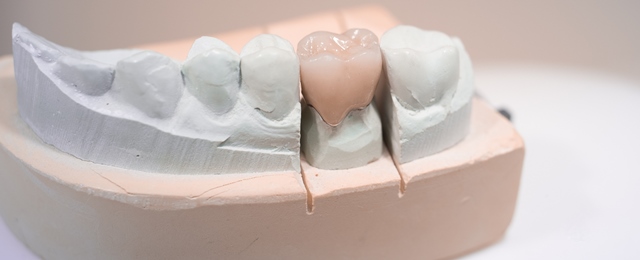
Sometimes a cavity sticks around longer than we’d like. By the time you come in, too much of the tooth may have been damaged for a filling to hold up well. That’s where a crown comes in.
Think of it as a protective cover that fits over the tooth. It gives the tooth its strength back and protects it from cracking while you chew.
The dentists at Rivers Bend Family Dental recommend crowns only when the remaining tooth needs that extra support. If a filling will do the job, we’ll tell you. If a crown gives the tooth a better long-term outlook, we’ll explain why.
- Root Canal Treatment for Deeper Decay
Most people hear “root canal” and immediately think it’s going to hurt. The truth is, the pain usually comes from the infection, not the treatment itself.
When decay reaches the center of the tooth, the nerve becomes inflamed or infected. If that infection isn’t treated, it can spread beyond the tooth and become much more painful.
A root canal treatment removes the infected tissue, cleans the inside of the tooth, and seals it so bacteria can’t get back in. In most cases, the tooth is then protected with a crown so you can keep using it normally.
- Tooth Extraction for Severe Decay
Dentists don’t like removing teeth if they don’t have to. Sometimes, though, a cavity has destroyed so much of the tooth that there’s simply nothing healthy left to rebuild. In that situation, removing the tooth is often the healthiest option.
If that happens, your dentist will also talk you through replacement options like implants, bridges, or dentures, so you have a clear path forward.
How Dentists Decide Which Treatment You Need
Before recommending any treatment for cavities, a dentist needs the full picture. A visual exam only shows so much. Decay often spreads wider under the enamel than it looks on the surface.
So the decision usually comes down to:
- A visual and physical exam checking for soft spots or visible holes
- X-rays to catch decay between teeth or hiding under old fillings
- Sensitivity checks (hot, cold, biting pressure) that hint at how close decay is to the nerve
- Cavity history, since patients prone to decay often need extra fluoride or sealants going forward
Can Tooth Decay Be Prevented from Getting Worse?
Once a cavity has formed, brushing and flossing alone won’t undo it. But the progression can absolutely be slowed or stopped.
Here are a few habits that our expert, Dr. Andrea Wimmergren, recommends to patients:
- Brush twice daily with fluoride toothpaste, floss once a day
- Cut back on constant sugary or acidic snacking (frequency matters more than quantity)
- Drink plenty of water and chew sugar-free gum (especially those containing Xylitol)
- Keep up with six-month checkups so small spots get caught early.
We also hear this misconception a lot that patients think a filling “fixes” the problem. It doesn’t. It repairs the damage that has already happened. If the habits that caused the first cavity don’t change, a second one is usually just a matter of time.
Getting the Right Treatment for Your Tooth Decay
Bottom line: the earlier tooth decay gets caught, the easier it usually is to fix. A fluoride varnish today can skip a filling next year. A filling today can skip a root canal down the road. Waiting almost never makes things easier or cheaper.
Rivers Bend Family Dental has treated families across Ramsey, Anoka, Dayton, Nowthen, Otsego, Champlin, Elk River, Coon Rapids, and Andover for years. Whether you’re due for a routine checkup or have noticed tooth sensitivity, pain, or a visible spot on a tooth, an exam can identify the problem early and recommend the right treatment, including dental fillings in Ramsey when needed.
To schedule an appointment for tooth decay treatments, call (763) 576-1855 or visit the clinic at 14061 St Francis Blvd NW, Ramsey, MN 55303.
FAQs
Most treatment starts with numbing the area, so you’ll feel pressure, not pain. Any soreness after fades within a day or two. The pain people associate with cavity treatment almost always comes from the untreated decay, not the fix.
It keeps growing deeper, eventually reaching the nerve and causing infection or an abscess. At that point, a simple filling is off the table, and it’s root canal or extraction territory. Pain, swelling, or a bad taste are all signs it’s time to visit a dentist.
A simple filling usually takes 20 to 40 minutes, depending on its size and location in the mouth. A root canal typically takes 60 to 90 minutes and may need a follow-up visit for the crown. Fluoride treatments are the quickest of all, often finished in under 10 minutes.
Yes, especially in the early stages or when decay forms between teeth, where it isn’t easy to see. This is one of the main reasons dentists rely on X-rays during checkups rather than a visual exam alone. A cavity can grow for months before it’s large enough to notice without imaging.