Key Takeaways
- Dental implants replace the tooth root, while dentures are removable and rest on the gums. Implant-supported dentures offer added stability.
- Implants help preserve the jawbone, whereas dentures do not prevent bone loss.
- Implants provide better stability and long-term benefits, while dentures are generally more affordable and quicker to get.
- Implants are best for people with healthy gums, enough jawbone and a preference for a long-term solution.
- Dentures are often recommended for those replacing multiple teeth, avoiding surgery or looking for a cost-effective tooth replacement.
- The ideal choice depends on your oral health, budget, lifestyle and long-term goals.
Which Tooth Replacement Option Is Right for You?
Missing a tooth is not just about the gap in your smile. You might notice that eating feels different, certain words are harder to pronounce or you naturally avoid smiling in photos. Over time, a missing tooth can also affect your bite and the health of the surrounding teeth, making it important to replace it sooner rather than later.
When discussing replacement options with patients at Rivers Bend Family Dental, one of the most common questions is whether dental implants or dentures is the better choice. The answer depends on several factors, including your oral health, lifestyle, budget and long-term goals. Both are effective tooth replacement options, but they work in different ways and offer different benefits. Let’s dig deeper.
Dental Implants vs Dentures: What’s the Difference?
The core difference is permanence. Dental implants are surgically anchored into the jaw and function as a replacement tooth root, while dentures sit on top of the gums and can be removed each night.
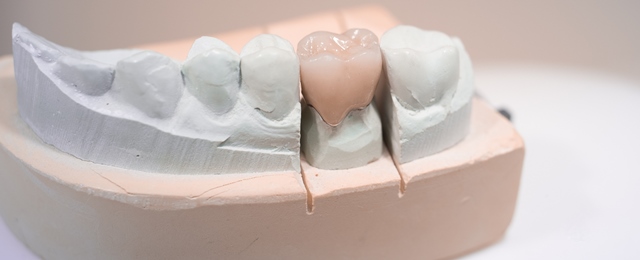
- Dental implants: A titanium post is placed below the gumline and left to heal for three to six months while it integrates with the bone. Once it has healed, a crown, bridge or denture is attached on top, giving a result that looks, feels and functions close to a natural tooth.
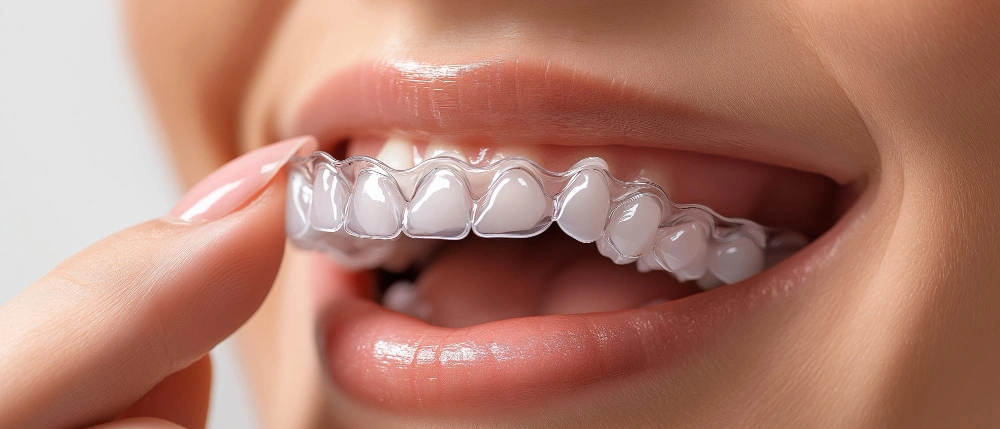
- Dentures: A denture is a removable prosthetic that replaces missing teeth with artificial teeth attached to an acrylic base. Complete dentures replace an entire arch, while partial dentures fill in gaps around remaining natural teeth using clasps or a metal framework.
- Implant-supported dentures: For patients who want a removable option with more stability, implant-supported dentures attach to a small number of implants placed in the jaw, which reduces the slipping and rubbing that traditional dentures are known for.
The biggest factor separating the two among tooth replacement options is what happens to the jawbone after a tooth is lost. Implants preserve bone because they replace the root itself, while a denture sits above the bone and does nothing to stop the gradual bone loss that follows tooth loss. Dr. Andrea Wimmergren often discusses this with patients because it can have a lasting impact on oral health and the fit of your restoration in the years ahead.
Dental Implants vs Dentures: A Side-by-Side Comparison
Here is how the two compare across the factors patients ask about most.
| Factor | Dental Implants | Dentures |
| Stability | Fixed in the jaw, does not move | Removable dentures can shift, especially lower dentures |
| Bone health | Preserves jawbone through root replacement | Bone loss continues over time |
| Daily care | Brush and floss like natural teeth | Remove nightly, soak and clean separately |
| Timeline | Three to six months including healing | Can often be delivered in a few weeks |
| Upfront cost | Higher initial investment | Lower initial investment |
| Long term cost | Fewer replacements needed over decades | Relines and replacements needed every five to eight years |
| Chewing function | Close to natural bite force | Reduced bite force, softer diet often needed |
Who Is a Good Candidate for Dental Implants?
Dental implants are an excellent option for many adults, but they are not suitable for everyone. During a consultation, your dentist will evaluate your oral health, bone density and medical history before recommending treatment.
You may be a good candidate if you:
- Have healthy gums with no active gum disease.
- Have enough jawbone to support an implant or are eligible for bone grafting.
- Do not smoke, or are willing to stop during healing.
- Want a long-term missing tooth replacement solution.
When Dentures May Be the Better Choice
Although implants offer many advantages, dentures remain an effective solution for many patients.
Dentures may be recommended if you:
- Prefer a treatment without oral surgery.
- Have significant bone loss that makes implant placement difficult.
- Need a more affordable treatment option.
- Have medical conditions that delay healing after surgery.
Factors to Consider Before Choosing
A few practical questions can help guide the decision between dental implants and dentures. At our clinic in Ramsey, we recommend that our patients consider the following factors:
- Budget: Implants cost more initially but often save money over time due to durability. Dentures cost less upfront but may need periodic replacement.
- Bone density: Implants require adequate bone. A dental exam and imaging can confirm if bone grafting is necessary.
- Time: Dentures can be completed in a matter of weeks. Implants take several months from placement to final restoration.
- Lifestyle: Patients who want a fixed, low-maintenance option often lean toward implants. Patients who prefer flexibility and a non-surgical route often choose dentures.
- Long-term oral health: Implants help preserve jawbone structure, which matters for facial shape and long-term dental health.
The Bottom Line
At the end of the day, the “best” tooth replacement option isn’t a one-size-fits-all answer, it’s the one that matches your bone health, budget and how much upkeep you’re willing to handle. Dental implants win in terms of stability and longevity. Dentures win on convenience and cost.
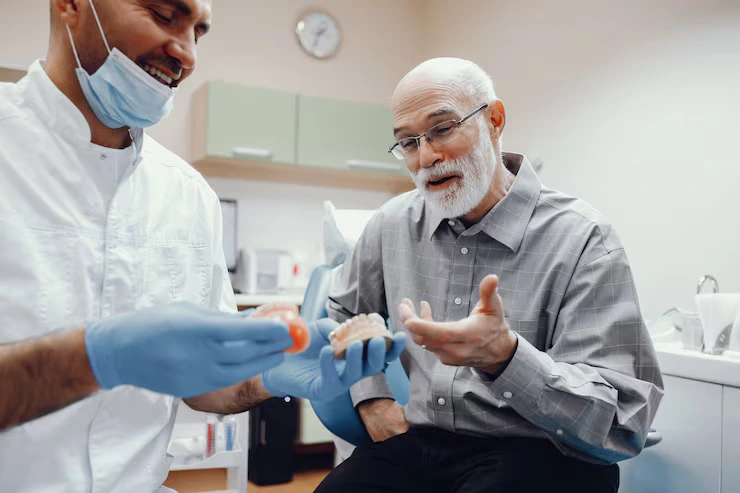
That’s exactly why a proper evaluation matters more than a quick internet search. Dr. Wimmergren and her staff at Rivers Bend Family Dental take the guesswork out of the process, reviewing x-rays, bone structure and gum health before recommending implants, dentures or a combination of both.
If you are weighing dentures or dental implants in Ramsey, book a visit to get a personalized recommendation:
Call: 763-576-1855
Location: 14061 St Francis Blvd NW, Ramsey, MN 55303
FAQs
Yes, many patients start with a traditional denture and later add implants underneath it for extra stability once budget or bone grafting allows. This is a common upgrade path and does not require starting the denture process over from scratch.
No, a bone graft is only needed when a CBCT scan shows insufficient bone density or volume in the area of the missing tooth. Many patients, especially those who replace a tooth soon after losing it, have enough bone to proceed straight to implant placement.
Implant placement is usually done under local anesthesia and most people report mild soreness for a few days afterward, similar to a tooth extraction. Getting fitted for dentures involves no surgery, though the adjustment period for speaking and eating can take several weeks either way.
For patients missing all teeth, treatment may include traditional dentures, full mouth dental implants or All-on-4/6 dental implants. The most suitable option depends on your oral health, bone structure, lifestyle and budget, which your dentist will evaluate during your consultation.