Dental Bridge vs. Implant: Which Tooth Replacement Option Is Best for Your Smile?
Comparing dental bridge vs. implant? Learn the differences in procedure, longevity, and bone health to find the best tooth replacement for your smile.
Comparing dental bridge vs. implant? Learn the differences in procedure, longevity, and bone health to find the best tooth replacement for your smile.

TL;DR Sore gums are most often caused by gum disease, hormonal changes, canker sores or minor injury from brushing. Symptoms range from redness and swelling to bleeding and persistent aching.…

A root canal procedure treats infected tooth pulp to save your natural tooth. Learn the steps, benefits, recovery, and what to expect during treatment.

Full mouth rehabilitation restores oral health, function, and your smile. Learn what it is, who needs it, its benefits, and treatment options today with care.

TL;DR Bruxism is the unconscious grinding of teeth or clenching of the jaw, most commonly happening during sleep. Many people have no idea they’re doing it until they wake up…

TL;DR Composite veneers are a quick and simple way to give your smile a fresh, more polished look. They’re easier on the pocket than porcelain and can often be completed…
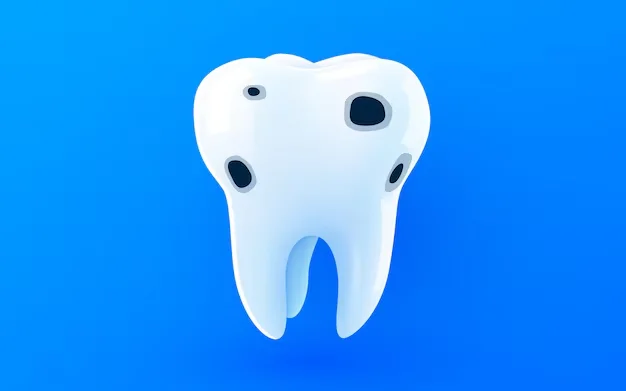
TL;DR A black spot is a dark mark on the tooth, either a surface stain or early decay, and may need attention if persistent. Black spots can be caused by…

TL;DR Tooth nerve pain can be intense and sudden, but there is no safe way to kill a tooth pain nerve in 3 seconds permanently at home. Home remedies and…
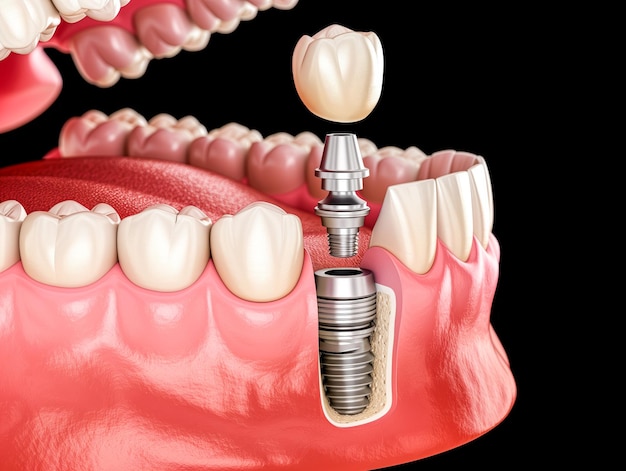
TL;DR Bone grafts strengthen the jaw when there isn’t enough bone for an implant. Jawbone loss can occur after extractions, gum disease, injury, long-term tooth loss, or infections. The graft…

TL;DR Bleeding gums indicate irritation or inflammation and should not be ignored. Causes include gum disease, poor oral hygiene, vitamin deficiencies, hormonal changes, medications, health conditions, lifestyle, and ill-fitted dental…