Key Takeaways
- Cosmetic dentistry can improve the look of your teeth and smile.
- Teeth whitening can remove or reduce stains and discoloration.
- Bonding, veneers, and crowns can change the shape, color, or appearance of damaged or uneven teeth.
- Dental implants can replace missing teeth, while braces can straighten teeth and improve your bite.
- The right treatment depends on your teeth, oral health, and needs. Your dentist can help you decide which option is best for you.
Why Choose Cosmetic Dentistry?
Dentistry is not limited to treating cavities or extracting teeth. Today, many people turn to cosmetic, or aesthetic, dentistry to improve the appearance of their smiles. Treatments can help straighten, whiten, reshape, or restore teeth affected by chips, cracks, gaps, stains, or unusual shapes.
Choosing the right treatment depends on your teeth, oral health, and what you want to change about your smile. A cosmetic dentist can assess your needs and explain the benefits, risks, expected lifespan, and long-term care involved with each option.
To help you compare your choices, our cosmetic dentist at River’s Bend Family Dental discusses 7 popular cosmetic dentistry procedures below. You’ll learn what each treatment involves, along with its benefits, potential risks, and how long the results may last.
1. Teeth Whitening
Teeth whitening is a common cosmetic dentistry treatment that uses a whitening gel and, in some cases, a laser to make natural teeth look lighter and brighter. Before treatment, your dentist will examine your teeth and gums to determine whether whitening is suitable for you.
Teeth can become stained or darker over time due to aging and habits such as drinking coffee, tea, or red wine or smoking. Professional whitening can help reduce these stains and restore a brighter appearance.
However, tooth whitening may not be suitable for people aged 17 or younger or those with unhealthy teeth or gums. It is also not recommended during pregnancy or breastfeeding. It also only works on natural teeth, so it will not change the color of crowns, fillings, veneers, dentures, or implants.
Some people may experience temporary side effects such as:
- Tooth sensitivity
- Sore gums or throat
- White patches on the gums
The effects of teeth whitening are not permanent, but following your dentist’s advice can help the results last around 3 years.
2. Dental Bonding
Dental bonding uses tooth-colored composite resin to improve the appearance of teeth. During the procedure, our cosmetic dentist applies the resin to the tooth, shapes it to achieve the desired appearance, then hardens it with a special light.
Dental bonding can help:
- Change the shape of teeth.
- Close small gaps between teeth.
- Repair chips or minor cracks.
- Cover tooth discoloration.
- Make teeth look longer.
Bonding is generally safe when your teeth and gums are healthy. If you have tooth decay or other oral health problems, we usually recommend treating them first.
It is generally painless and usually requires little or no enamel removal. This makes it a relatively conservative and reversible option among cosmetic dentistry options. However, the resin can stain or chip over time, and it typically does not last as long as porcelain veneers or crowns.
With proper care, bonding can last around 3 to 10 years, although touch-ups may be needed.
3. Porcelain Veneers
Porcelain veneers are thin shells placed over the front surfaces of teeth to improve their appearance. They can be used on one tooth or several teeth, depending on your smile goals. Veneers are available in porcelain and composite resin, but at River’s Bend Family Dental, we place porcelain veneers to address cosmetic concerns such as:
- Discolored or stained
- Slightly crooked
- Uneven or oddly shaped
- Chipped or slightly broken
- Widely spaced or have small gaps
Veneers do not straighten teeth or fix bite problems, and they may not be the best choice if you grind or clench your teeth or have gum disease.
Porcelain veneers have one of the highest reported 10-year survival rates among cosmetic dentistry procedures, ranging from 91% to 100%, and can last around 10 to 15 years with proper care. However, they are not reversible because some enamel may need to be removed before placement.
4. Dental Crowns
A dental crown is a tooth-shaped cap that restores a decayed, broken, weak, or worn-down tooth. Crowns can be made from materials such as metal, resin, or porcelain.,Porcelain and all-ceramic crowns closely resemble natural teeth and may be a good option if you have a metal allergy.
We also offer same-day crowns at our dental clinic in Ramsey. However, they might not be suitable for everyone, so Dr. Andrea Wimmergren and the team at River’s Bend Family Dental assess your tooth and recommend the most suitable option.
Crowns can improve chewing, restore damaged teeth, and protect them from further wear. However, they require some removal of natural tooth structure and may cause temporary sensitivity. Crowns can also chip or fracture over time or allow decay if they do not fit properly.
With proper care, dental crowns can last about 5 to 15 years.
5. Dental Implants
Dental implants are surgically placed in the jaw to replace missing teeth and restore your ability to chew and smile. They have three main parts: an artificial tooth root placed in the jaw, a connector that attaches to the root, and a visible replacement tooth. The replacement may be a crown, bridge, or implant-supported denture.
Types of dental implants include:
- Single-tooth: One implant supports a crown.
- Implant bridge: Two or more implants support a bridge.
- Full arch: Four to six implants support a full arch of teeth.
They are long-lasting and cost-effective, preserve the natural jawbone and facial shape, and do not require neighboring teeth to be altered. Unlike removable dentures, implants are securely fixed in place, allowing you to eat and speak comfortably and naturally.
However, they may damage nearby teeth or tissues during placement, become loose over time, or make it difficult to keep the gums around the implant clean, affecting oral hygiene.
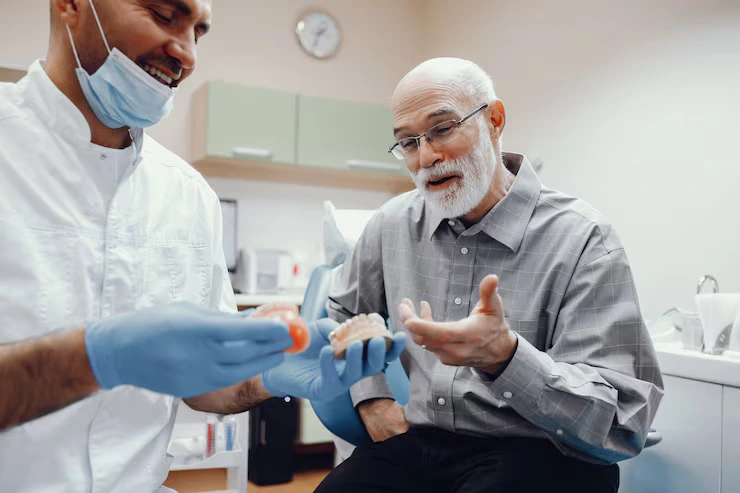
6. Dentures
If you have lost teeth because of decay, gum issues, or an injury, dentures can fill those gaps. They are designed to look just like your natural teeth. Dentures (false teeth) come in different types, with full and partial dentures being the most common options.
Denture bases are usually made using materials such as acrylic, metal alloys, and polymers. The artificial teeth in dentures are usually made from acrylic, composite resin, or porcelain because these materials have a smooth surface.
Benefits of dentures include improved chewing and speech, a more natural-looking smile, and better nutrition. Disadvantages of dentures include slipping or moving while speaking or chewing, and gradual jawbone loss after tooth loss, which can change the shape of the face.
Dentures typically need replacement every 5 to 10 years, depending on factors such as wear, fit, care routine, and changes in your gums and jawbone.
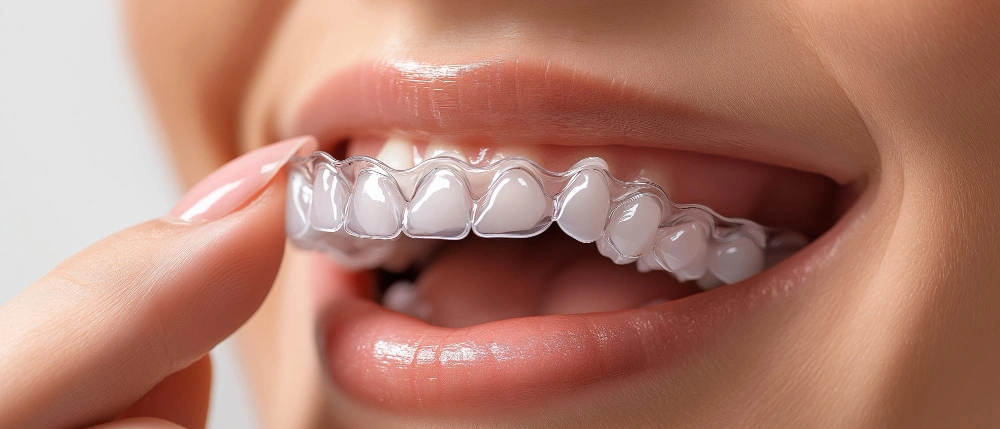
7. Braces
Braces use gentle, continuous pressure to move teeth into better positions and improve your bite. They are commonly used for children and teenagers once their adult teeth have come through, but adults can benefit from them too.
Your dentist or orthodontist may recommend braces if your teeth are crowded, stick out, have noticeable gaps, or your upper and lower teeth do not line up properly. By correcting these issues, braces can improve your smile and make chewing and speaking easier.
Braces may feel uncomfortable at first, with mild soreness for a few days after they are fitted or adjusted. Treatment can take several months to around two and a half years, depending on the extent of correction needed.
Choosing The Right Treatment For Your Smile
Your smile plays an important role in how you express yourself. If you feel unhappy with your appearance, you may find it more difficult to feel comfortable or confident in social situations. Cosmetic dentistry offers a variety of treatments to address different concerns, ranging from simple procedures to more complex solutions.
If you are concerned about your smile, Dr. Andrea Wimmergren and the team at River’s Bend Family Dental can help you explore our cosmetic dental treatments. As a cosmetic dentist in Ramsey, MN, Dr. Wimmergren brings years of experience to help you choose treatments based on your smile goals, needs, lifestyle, and budget.
Phone: (763) 576-1855
Address: 14061 St. Francis Blvd NW, Ramsey, MN, 55303
Office Hours: Monday, Wednesday, and Thursday, 7:00 AM-4:00 PM; Tuesday, 12:00 PM-7:00 PM; Friday, 7:00 AM-1:00 PM
FAQs
Treatment time varies: whitening and bonding may take one visit, while veneers and crowns may require multiple appointments. Implants take several months, and braces typically take about two years.
Most cosmetic procedures are comfortable, though whitening and braces may cause temporary sensitivity or soreness. Procedures such as crowns and dental implants are typically performed with local anesthesia to help keep you comfortable during treatment.
Your dentist can assess your oral health, dental concerns, and smile goals to determine whether cosmetic dentistry is right for you.
Yes, cosmetic dental treatments are generally safe when performed by a qualified clinician with cosmetic training.